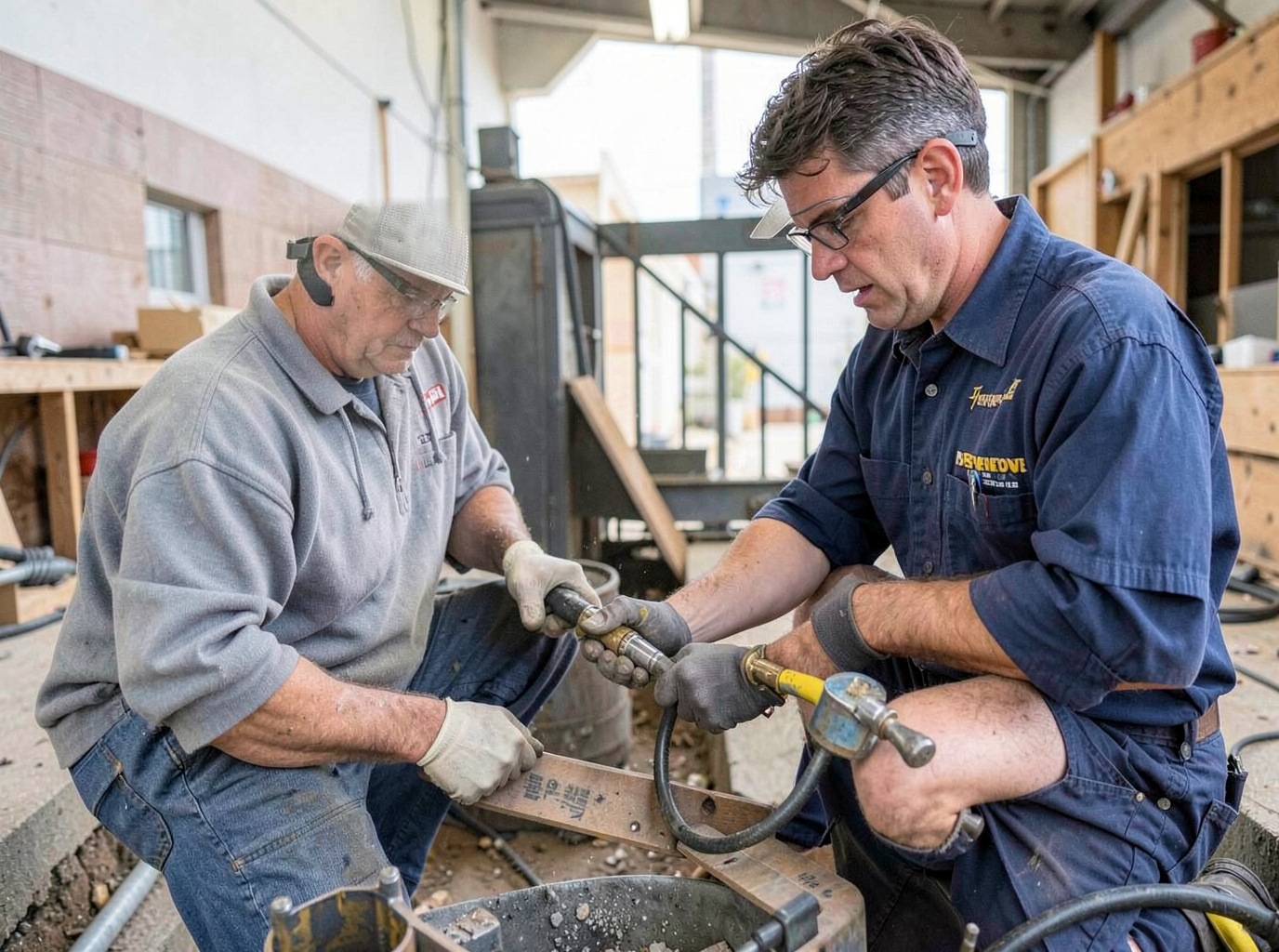
Dayton homes built before 1960 in areas like the Oregon District and South Park often rely on clay or cast iron lines that collect grease and scale faster once winter temperatures drop below freezing. Preventive maintenance starts with a camera inspection to locate partial blockages before they become full backups, especially near mature trees whose roots seek moisture along the Great Miami River corridor. Enzyme treatments break down organic matter without harsh chemicals that can damage aging joints, and scheduling these visits every six months aligns with the shift from humid summers to cold winters when grease solidifies quicker in Montgomery County lines.
Homeowners in University Row and nearby Kettering frequently overlook how summer thunderstorms overload combined sewer systems, pushing sediment back into residential traps. A targeted hydro jetting pass during maintenance clears the film left by hard water without excavation, while root-foaming applications protect against intrusion common in South Park yards. Technicians at 739 Albany St note that skipping these steps often leads to emergency calls after the first hard freeze, when compacted debris expands and cracks older pipes.
Code requirements in Dayton require cleanouts to remain accessible, so preventive visits include verifying trap primers and vent stacks still function after decades of settling soil. In Beavercreek properties with newer PVC transitions, the focus shifts to monitoring where older clay meets modern sections, as differential movement creates catch points for debris during heavy spring rains.
Technician insight
In Dayton, the thing that catches most people out with Preventive Drain Maintenance is how quickly tree roots from maples in the Oregon District and South Park find hairline cracks in clay pipes once winter ground freezes and then thaws, turning a small seep into a full blockage by spring.
South Park Backup Prevention
A homeowner in South Park noticed slow drains after summer rains. Camera work revealed early root intrusion in 1950s clay lines. We applied root foam and scheduled enzyme treatments. The line stayed clear through the following winter without emergency service.
Preventive Drain Maintenance Services We Offer
✓Camera Drain Inspections
Locates hidden buildup or root intrusion in older Dayton clay lines before it causes backups during winter freezes.
✓Enzyme Drain Treatments
Applies natural enzymes monthly to break down grease and soap scum common in South Park and Oregon District homes.
✓Hydro Jetting Maintenance
Clears scale and sediment from cast iron pipes without chemicals, restoring flow in University Row properties.
✓Root Intrusion Prevention
Foams and treats lines near mature trees to stop roots from entering during dry summer months in Montgomery County.
✓Grease Trap Servicing
Empties and cleans commercial and residential traps to prevent overflows after heavy rains near Downtown Dayton.
Preventive Drain Maintenance Cost in OH
| Service | Typical Range | What Affects It |
|---|---|---|
| Annual Preventive Plan | $250–$450 | Two visits; higher for homes with multiple cleanouts in older Oregon District properties. |
| Camera Inspection Add-On | $125–$225 | Required when lines have not been scoped in over two years. |
| Hydro Jetting Session | $300–$550 | Varies with footage and sediment load common after Montgomery County storms. |
| Root Treatment Application | $175–$325 | Depends on number of trees near the line in South Park yards. |
Ranges are typical for OH and confirmed with an exact written quote before any work starts.
How it works
- 1
Initial Assessment
Technician reviews property history and performs a camera scan of main lines serving Dayton homes.
- 2
Targeted Cleaning
Applies hydro jetting or enzyme treatment based on findings from the inspection.
- 3
Root and Seal Check
Treats potential intrusion points and verifies cleanout access meets local standards.
- 4
Maintenance Schedule
Sets recurring visits timed to Dayton's seasonal shifts from summer storms to winter freezes.
Pricing
Most Dayton preventive plans run on a seasonal schedule with costs driven by pipe age and access.