2026-09-03 ·
How Tree Roots Affect Drains In Ohio Homes
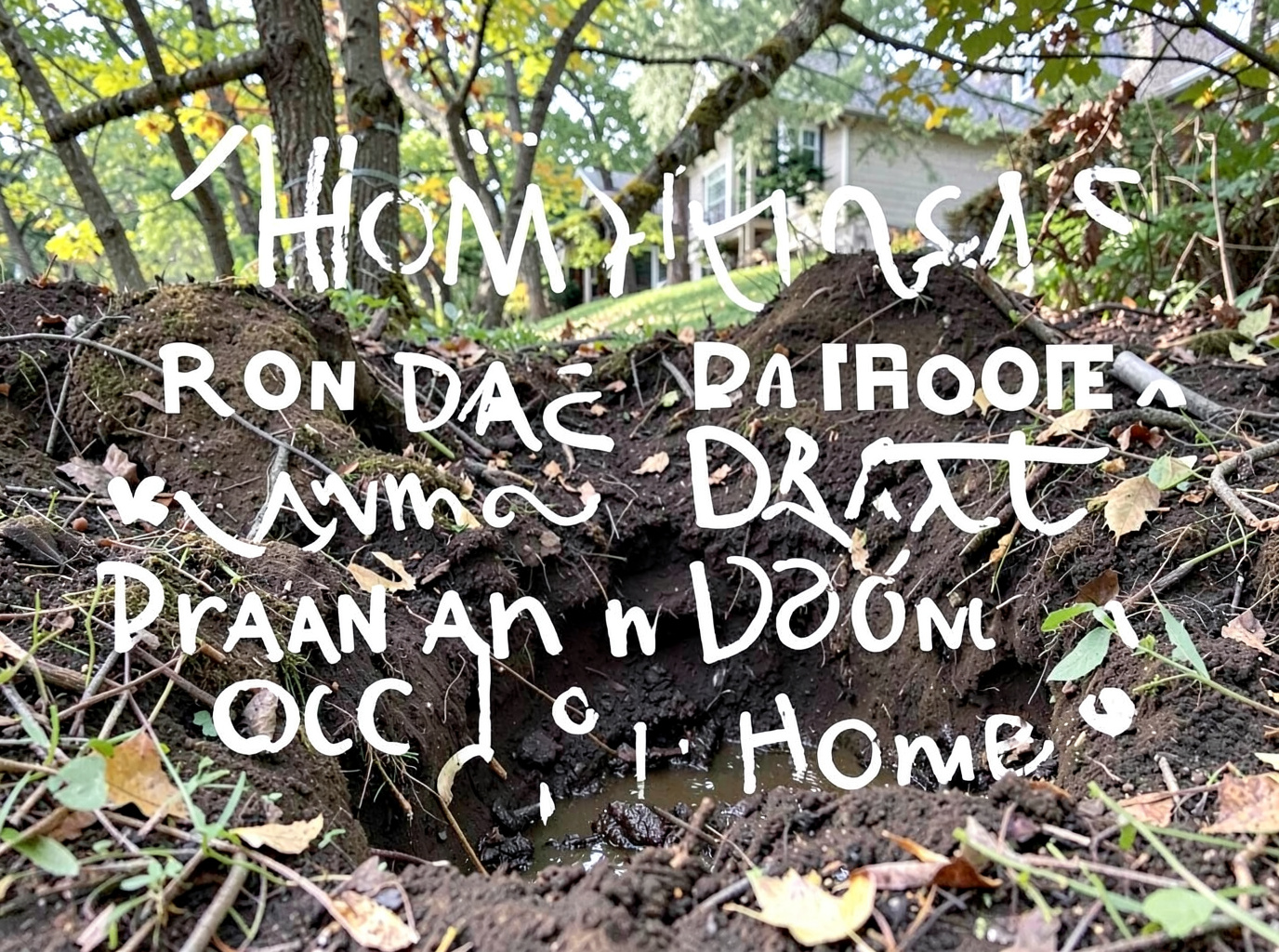
Tree roots reach drains in Ohio homes when they sense the constant moisture leaking from joints in older sewer lines, particularly in Dayton where many properties predate modern PVC piping. In neighborhoods like the Oregon District and South Park, clay pipes installed decades ago offer easy entry points as roots follow water trails underground. This process accelerates during dry spells in the humid continental climate when trees in backyards near the Dayton Art Institute or Carillon Historical Park extend farther for hydration. Homeowners in Downtown Dayton and University Row often notice slow drains first because roots can grow 1-2 inches per month once they penetrate a crack.
Soil and Climate Factors in Montgomery County
Dayton's humid continental climate with hot summers and cold winters drives root growth cycles that directly impact drains. Freeze-thaw action in winter shifts soil around pipes in areas like South Park, widening existing gaps that roots exploit. Hot summer months dry the ground faster, pushing trees in Kettering and Beavercreek yards to seek water from main lines. Montgomery County soil mixes clay and silt that retain moisture near older cast iron or clay sewers, making intrusion more likely than in sandy regions. These conditions mean roots from maples and oaks common locally can reach 20-30 feet horizontally before homeowners notice gurgling toilets or slow kitchen sinks.
Common Signs and Affected Home Areas
Roots typically enter at pipe joints or cracks in homes built before 1970 throughout the Oregon District and University Row. Early indicators include recurring clogs in the main line that return within weeks despite snaking attempts. Properties near Carillon Historical Park with mature trees often see issues first in basement floor drains or the lowest fixture. In Downtown Dayton older housing stock, roots can pack sections of 4-inch lines solid within 8-12 years if left unchecked. Residents in nearby Beavercreek report similar patterns where silver maples planted close to foundations send roots straight toward sewer laterals.
Inspection and Targeted Removal Steps
A Sewer Camera Inspection reveals root location and pipe condition without excavation in Montgomery County homes. Once identified, Tree Root Removal uses specialized cutting heads to clear the intrusion while preserving pipe integrity. Follow-up Hydro Jetting flushes remaining debris and discourages regrowth for several seasons. Homeowners should schedule checks every 18-24 months if large trees sit within 15 feet of the sewer path, especially after winter ground shifts. This approach prevents full blockages that require emergency service during peak cold periods.
Long-Term Prevention in Dayton Homes
Replacing vulnerable clay sections with PVC during repairs reduces future root entry in South Park and Kettering properties. Planting trees with less aggressive root systems farther from sewer lines helps, as does maintaining consistent soil moisture around foundations during summer. Winter Drain Care For Ohio Properties outlines additional seasonal steps that complement root management. Tracking What Affects Drain Cleaning Costs In Ohio prepares owners for potential expenses when roots have already caused significant buildup. Regular monitoring keeps systems flowing reliably through the region's temperature swings.